Showing posts with label food. Show all posts

Top 10 Korean Foods You Have To Try

10 Soondubu Jiggae

Soft Tofu Stew – 순두부 찌개 [Recipe | Wikipedia]
10
Soondubu jiggae is a Korean stew (jiggae) – thicker than a soup but thinner than a porridge. When cooked in the traditional way (in an earthenware pot – pictured above) all of the cooking is done in just the one dish. This makes it very easy to clean up afterwards – a job we all hate. It starts with a delicious fish stock and a little beef to deepen the flavor then finished off with fresh shell fish, hot pepper flakes, silken tofu, and eggs which are optional. The best thing about this stew is that you – the cook – can control how hot you want it but limiting the quantity of hot pepper flakes. You can have it blisteringly hot or very mild which is particularly handy if you are cooking for children who can’t stomach their food too spicy. The small amount of beef is typical of Korean food and illustrates how healthy it is – the meat is used for flavor rather than stomach filling. This is a dish everyone should try – it is really one of the nicest ways to introduce someone to tofu which picks up all of the flavors of the stew while adding a soft comforting texture. Eat it with rice and side dishes for a complete meal.

9 Seolleongtang

Ox Bone Soup – 설렁탕 [Recipe | Wikipedia]
9
Seolleongtang is an incredibly popular soup in Korea – there are even restaurants who specialize in making just it. Of all the items on this list, seolleongtang is the most time consuming as you must boil the beef bones (typically ox leg bones but you can make do with ox tail) for hours and hours to release all of the calcium which gives it the very distinctive white look. But don’t be fooled by the color – this is the beefiest tasting soup you can imagine! When you boil the bones you can also add a large piece of beef and radish which you slice and add to the soup at the last minute. While this is a great winter soup it is also delicious in summer. It also makes a huge quantity so you can make it on the weekend and consume it during the week. In Korea this might be eaten for breakfast – not just dinner – as Korean’s typically have soup, rice, and side dishes for breakfast.

8 Ddukbokkie

Rice Cake Street Food – 떡볶이 [Recipe | Wikipedia]
8
Ddukbokkie is the delicious smell of Korean cities at night. In large Korean cities like Seoul, the streets are filled with vendors selling their own special recipe versions of the most popular street food. Ddukbokkie (it is pronounced roughly like “dok-bok-ee”) is one of the most popular and it comes in various styles. In the example above I used the linked recipe but also added sliced fish cakes and boiled eggs. The sauce is spicy but it is also very sweet and packed with an immense amount of flavor. The spiciness is cut by the long cylindrical rice cakes which, when cooked, become chewy and soft. The rice cakes are probably the most unusual part of the recipe for most westerners but when they try it – they love it.

7 Dakjuk

Chicken Porridge – 닭죽 [Recipe]
7
When I first made Dakjuk I wasn’t expecting it to be one of my favorite dishes – it seemed far too simple a recipe. Boy was I wrong! Essentially you boil a chicken in a huge pot of water with onions and a lot of garlic – then you add sushi rice and cook it until the chicken is done. The end result is a thick stew (which Koreans refer to as a porridge even though it has no oats) caused by the rice breaking down bursting with rich chicken and garlic flavor. You tear the chicken up and eat it with the porridge. This is a meal you will make again and again because it really is super easy. I must add one warning though: if you are peeling the garlic by hand (instead of using pre-peeled store bought garlic) wear gloves; garlic oil in large quantities can cause third degree burns – which I found out the hard way!

6 Hoeddeok

Sweet Syrupy Pancakes – 호떡 [Recipe | Wikipedia]
6
If you have a sweet tooth you are guaranteed satisfaction with this amazing pancake sold by street vendors. It is a little more complex than a western style pancake because it is made with a yeast dough but the effort is well worth it. The dough (virtually identical to a western bread dough) is filled with a mixture of cinnamon, brown sugar, and chopped walnuts and fried in a lightly oiled pan until the filling has melted into a syrup. This really is the queen of pancakes and it is incredibly popular with children. Try this out next time the kids want pancakes for breakfast – they will love you for it. And if you don’t like the sound of the filling or don’t have a sweet tooth, just fill it with mozzarella cheese instead.

5 Yangnyeom Tongdak

Seasoned Fried Chicken – 양념통닭 [Recipe | Wikipedia]
5
I guarantee that once you try this, you will be ditching KFC (Kentucky Fried Chicken) and switching to the other KFC – Korean Fried Chicken. This fried chicken has to be tasted to be believed. When you bite into a piece of this chicken you are initially met with a sticky, sweet, spicy red sauce. But then your teeth crunch through a triple cooked batter so crispy that you wouldn’t believe it possible. This then leads to the most incredibly moist and flavorsome chicken inside. This really is one of the most delicious Korean foods ever invented. In Korea there are many shops selling their own special version of yangnyeom tongdak and they deliver until the late house of the night. But home made is always better. This recipe is particularly good as it shows (because of the addition of ketchup) how Koreans are willing to adopt foreign flavors and use them to their advantage. You need to try this as soon as possible.

4 Japchae

Stir Fried Noodles – 잡채 [Recipe | Wikipedia]
4
Japchae is one of the most popular Korean dishes both inside and outside of Korea and when you taste it you will understand why. Originally japchae was made without noodles – it was invented for the King by one of his chefs and he loved it so much that it became famous across Korea. In more recent times the noodles were added and now they are an essential element to the dish. The noodles used are sweet potato starch noodles which give japchae its very distinct chewy texture. The vegetables are all lightly cooked so they retain all their flavor. This is definitely a great alternative to the typical (and often bland) stir fry we all cook at home when we want “Chinese”. If you like Korean pop music, here is an amusing video clip of Super Junior’s Eun Hyuk promoting japchae – his favorite Korean dish.

3 Bulgogi

Marinated Beef BBQ – 불고기 [Recipe | Wikipedia]
3
Bulgogi is an extremely versatile way of preparing beef and the one most westerners have sampled at Korean restaurants. Typically in the west we eat bulgogi on a korean barbecue – a hot plate in the middle of the table. But in Korea this is just one of many ways. It can be made into a stew (as in the recipe above) or as the basis for other dishes. It is such a versatile marinated meet that you could even use it to replace pulled pork in a western style sandwich. Bulgogi is very thinly sliced beef which is marinated in a sauce made from pear juice, garlic, soy sauce, and many other things. There are as many recipes as their are uses. The end result is a delicious sweet, savory, and soft slice of meat. My favorite way to eat it is to wrap it with a small amount of rice and dipping sauce in a lettuce leaf. It is also incredibly low fat and very healthy.

2 Bibimbap

Mixed Rice – 비빔밥 [Recipe | Wikipedia]
2
If you try only one recipe from this list – let it be bibimbap. In Korean, “bibim” means “mixed” and “bap” means rice. All of the ingredients except the meat (which is optional) are prepared in advance so you can add them at room temperature to the top of hot steamed rice. You then quickly fry and add the meat and a sunny-side up egg to the top. Bibimbap is usually served with a spicy sauce made from gochujang (Korean hot pepper paste) which you can add to your liking – allowing you to control how hot it is. You then use your spoon (Korean food is always served with metal chopsticks and a spoon) to “bibim” it all until it is completely mixed together. The trick then is to see how much you can fit in your mouth in one go! Well, not really, but it tastes so good that that is invariably what happens at my house. This really is a taste sensation and it really is impossible not to fall in love at first bite.

1 Kimchi

Fermented Cabbage – 김치 [Recipe | Wikipedia]
1-1
Kimchi is the national dish of Korea. At first it can sound daunting to us westerners because of the word “fermented” but don’t forget that we eat a lot of fermented foods already – yoghurt and bread for example. In the case of kimchi the cabbage is coated leaf by leaf in a delicious spicy mix of hot pepper flakes, garlic, chives, onion, pear juice, and more. It is then able to be eaten right away (in which case it is fresh, not fermented) or you can leave it out of the refrigerator for two or three days to start the fermentation process. As it ferments it develops a rich and slightly sour flavor – true also of German sauerkraut (which means sour herb or cabbage). It lasts for months and is also used as the base for many other dishes such as kimchi stew and even as a filling for kimbap (Korean sushi). Kimchi is such an important dish in Korea that it is eaten with breakfast, lunch, and dinner. It may not look pretty but it sure tastes good! And if you don’t have time to make it yourself (it can be a little time consuming) it is always available pre-made at your local Korean grocery.

Top 10 Foods Of The Future

10.  Vegetarian Meat

vegetarian-meatballs
The idea of “meat” consisting of ingredients that don’t include animals would have seemed pretty far-fetched not so many years ago.  Today, we know differently, and the trend in this area will continue to grow as population growth begins to outpace currently available food sources.  Meat production is a huge and expensive industry.  Vegetarian products, however, are cheaper to produce and tend to be healthier as well (great news for animal lovers).
Most of us already know about soya products.   Made from soya beans, these products have found some traction in Asia.  Prepared properly, these products have a texture that is very similar to meat and, with some inventive seasoning, can provide a wide variety of flavor.  Soya is just one example that is currently being used.  Other innovative products show equal promise and look to be available in increasing quantities in coming years.
This includes such products such as Quorn, a fungus.  Yeah, I know – but hey, so are mushrooms and all kinds of stuff can be produced from that particular family of fungi.  Anyway, Quorn is produced from a fermented fungus and reportedly taste very similar to actual meat products.  Add in such products produced from the likes of lupines to wheat gluten, and a very profitable and practical source of food is available from non-traditional sources.  Assuming that the products in question and other similar offerings can reproduce the taste/flavor of the meat products they hope to supplement (or replace); then we all might be wolfing down a tree leaf burger in the very near future.

9.  Cultured/In-Vitro Meat

in-vitro-meat
It’s a true fact that a good deal of the world’s population is carnivorous.  We like our meat.  And while there are other products that attempt to reproduce the taste, flavor, and texture of meat (some successful, others not so much); the truth of the matter is that these products are still not real meat.  Sometimes, we want a burger – a real, honest-to-God sandwich that began as a cow.
Fortunately, science is working on resolving this primitive desire in a manner that may alleviate the need for an actual animal.  In-vitro or cultured meat involves “growing” meat.  “Growing” is the best way to describe the process of tissue-engineering that is required to accomplish this feat.  The method entails taking cells from a live animal, which are then used to grow…well…meat.  I don’t pretend to understand the science behind all of this, but the idea is an interesting one.  In fact, such a method could darn near resolve hunger around the world (theoretically).  This idea is still in the development/research stage, but the potentials of a breakthrough are not difficult to imagine – ready-made meat products that are easily manufactured without having to deal with herds of live animals would be incredibly profitable.  And for the consumer – we will have our meat!

8.  Algae

algae
The first thing that comes to mind is, “isn’t this like eating fungus?”  No, not really.  One of the interesting things about this particular subject matter is to reflect on the various changes that have come about concerning food production and consumption.  Just 50 years ago, the answer to the world’s growing consumption needs was the so-called “green revolution“.  Farmers were introduced to scientifically altered (hybrid) seeds and new types of fertilizers to enhance crops.  As a result, farmers were able to grow twice as much as before.  The downside was the need for more land and water (we use A LOT of water) – we are now close to a saturation point where traditional farming is prohibitive.
As such, producers have to figure out how to grow food in places that normally are not very hospitable to do so.  Enter algae.  Algae are microscopic organisms that have the ability to grow very fast.  More to the point, they can grow in the sea, and even in polluted water.  Seaweed and kelp, in fact, are forms of algae.  While most folks have not had a cuisine consisting of what could be considered sea grass – these forms of algae could provide an accessible and affordable dietary option. The real appeal of algae is in expanding the dietary offerings that it presents and in the by-products (such as algae oil) that can be derived from this readily abundant source from nature.  Hey – if blue whales and other marine life enjoy the stuff, maybe there’s something to it after all.

7.  Insects, Bugs, and Small Critters

fried-cochroach
Photo Courtesy of BigStock
Truth is truth.  We may not like it, but that doesn’t impact on facts of the matter.  And one truth that can be derived out of a discussion about the consumption of insects, is that they provide a very good source of protein.  And apparently, we need protein.  But that’s not all.  Of the various species of bugs that are eaten (well over 1,400 that are common), they all commonly provide a low fat, low cholesterol, and high calcium and iron affair.  Yes, they can be a bit slimy (and crunchy), but they are good for you.  While insects are not uncommon fodder in Asia, Africa and South America; the rest of the world has not really followed suit.  This probably has a lot to do with culture, perception and need.
Nevertheless, insects provide very little space to breed and generally inexpensive to do so as well.  Add this to the fact that they can provide a nutritional meal, and we have all the makings of a new food group.  Indeed, crickets, caterpillars, grasshoppers and June beetles are just a few of the favored multi-legged delicacies available.  In fact, there are a number of advocacy groups that are promoting the use of insects as a dietary staple.   They have a legitimate point, especially when one considers the shortage of food in many parts of the world.  Insects can provide an affordable source of the vital nutrients that humans need to survive.  Granted, images of fried grasshopper may not be dancing in your head right now, but very soon you may have a craving for chocolate-covered ants.  Just wait.

6.  Seafood

grilled-talapia
Photo Courtesy Of Bigstock
The basic problem with meat, is that maintaining the necessary livestock is becoming more and more unsustainable.  One study declared that livestock took up about 30% of available land space on the planet, not to mention the greenhouse effect of their biological emissions.  Additionally, well over 50% of grain production (a good chunk of available farmable land) is devoted to feeding livestock.  Basically, with the ever increasing population, we simply cannot raise enough cows to feed all these folks.
The sea, on the other hand, provides excellent sources of food that is much easier to cultivate/breed.  And I’m not talking about a bunch of fishermen out at sea hauling in more loads of produce (images of the show “Deadliest Catch” and the movie A Perfect Storm are coming to mind).  Rather, we are talking about fish farms on land – places where different types of fish are specifically bred and raised to be turned into a fillet (think Talapia and Corbia).
It certainly makes economic and practical sense.  Seafood, of just about any variety, takes an enormous amount of resources to catch – whether we are talking about shrimp or crabs.  The ability to produce these products in a more domestic fashion would make them more available and presumably cheaper for us, the consumer.  And the wide variety of species that make water their home gives produces plethora of choices to market.  The new open ranges will be filled with trout.

5.  Smaller Animals

cooking-rabbit
Photo Courtesy Of Bigstock
My wife, when I was describing the items that would populate this list, exclaimed when I got to this one, “what, like rats?”  Rats are indeed small animals and there are a lot of them (and people have been known to eat them in desperate situations).  But no, we are not talking about rats in this case.  Whether we are talking about placing a larger emphasis on animals that are not as problematic as cattle to raise as a food source.
With this, there are a whole host of animals that can provide a dietary substitute for beef.  Rabbits, squirrels, coon, goats, and the like are on the list.  In fact, in many parts of the world, these animals are consumed on a regular basis.  The benefit of such animals is that you can raise more of them, relative to cattle, for consumption.  Or so say the experts.  I haven’t done the math, but a typical steer provides about 400 pounds of meat.  This works out to about 1,600 servings (at 4 ounces per serving).  Meanwhile, an average rabbit is about 5 pounds, and provides about half its weight in edible meat – so you would need about 160 rabbits for a comparable amount of meat.
Nevertheless, smaller critters – even in the necessary greater numbers – are comparatively inexpensive, and generate less greenhouse gas effects.  In short, raising a gaggle of rabbits is a lot more economical, practical, and environmentally sound than a herd of cows.  And honestly, grilled rabbit tastes pretty good!

4.  Weeds

purslane-weeds
Photo Courtesy Of Bigstock
Well, maybe not weeds in the traditional sense.  But some experts suggest the dietary benefits of a weed-like vegetation called purslane.  This particular strain of vegetation is a nutritionist’s dream!  It’s loaded with stuff like vitamin A , omega-3 and beta carotene.  According to one source, the chewy peddles of this weed (it really is a weed – it has the affectionate nickname of pigweed) is more nutritious than vegetables like carrots and spinach.  That alone makes it worth its while.  Reportedly, it also tastes good.
Unfortunately, at present, farmers hate Purslane because it chokes off other crops that are more profitable.  But the great thing about weeds: the darn things tend to grow everywhere.  Purslane has adapted itself to grow in dry environments, as well as areas with plentiful water, making in a prime choice for a crop in arid climates.  As the world moves to more hardy food substances (especially those that are hardy and nutritious), we can expect to see vegetation, such as purslane, on our dinner plates in greater quantities.  Yum.

3.  Genetically Modified Food

genetically-modified-food
Genetic manipulation is seen as the way of the future.  The technology in this regards in still in the infancy stage, but the promise of being able to manipulate current foods into hardier, tastier and more nutritious stock is a prime motivator in this area.  Essentially, we are talking about making existing food better.  This includes shortening the growing times of crops, making them more resistant to insects and other issues that plague crops, increasing yields, enabling crops to grow in areas not normally suitable to do so, and more.
In fact, researchers are even speculating on engineering foods to fight certain diseases, like cancer.  Imagine eating a piece of watermelon that has been genetically modified to provide a protein that allows someone with diabetes to forgo taking insulin.  On a more immediate application, genetic manipulation will allow foods to taste even better, blend flavors, or even event totally new tastes to commonly known foods.  We may be quite a ways from Star Trek-style food replicators, but the science of creating new food is right on our finger tips.

2.  Nanofoods

nanofood
If you are smarter than me (and you probably are) then you more-than likely-understand the difference between nanofoods and the above-mentioned genetically modified food.  Scientists swear that there is a distinct difference between the two.  From what I can gather, nanofood is a somewhat less-ambitious scientific process.  While genetically modified food involves altering the very genes of a food (changing the essence of item in question), nanofood technology restructures the molecular/atomic structure of foods using nanotechnology to produce nanoparticles.
A fine line for sure, but a difference nonetheless.  These nanoparticles can alter a way that a food taste, what nutrients are produced, or extend the life of a particular food.  Currently, this science is used in packaging, by extending shelf life (preservatives can be released into the food), improving product safety (by alerting consumers to spoiled food), and even repairing torn packaging through some sort of self-sealing process.
One interesting development that is in the works by Kraft Foods is interactive products.  Essentially, the company is attempting to use nanotechnology to cater a food’s taste to individual consumers.  Now that’s getting food how you want it!  Ultimately, what scientist hope to achieve is to be able to take this technology to the next level, and perform feats that are more in common with genetic modification – changing taste and providing increased nutritional benefits.  Suffice to say, this stuff is definitely next-generation technology that approaches science fiction.

1.  Something We Haven’t Thought Of Yet

star-trek-food-replicator
If you would have told folks 100 years ago, that we would have genetically altered seeds that would double the yield of crops, they probably would have thought you were reading too many science fiction novels.  Yet fiction, as crazy as it may sound, is the harbinger of things to come.  We were dreaming of reaching the moon long before we actually did it.  In this same fashion, the unimaginable in regards to food will probably be tomorrow’s reality.  I mentioned earlier the food replicators on Star Trek.  Well, do you also remember those handheld flip communicators they used?  Take a look at the cell phones (older models now) that performed the same function.  As such, it’s not hard to imagine a machine that could actually produce any kind of food you desire right out of the molecules that are floating around in the air.  Or maybe the nutrient-enhanced slime that the folks ate in The Matrix?
Farfetched?  Maybe, but our imaginations will be the breeding grounds for the next evolution in food.  As our food supplies continue to shrink, we will be forced to find ever new ways to feed our growing population.  Perhaps the answer lies in space – new foods that can only be grown in the vacuum or on a space station.  Or maybe we can find a way to make dirt tasty and nutritious.  For certain, I’ve seen people make a delicacy out of lawn grass!   Whatever the case, you can bet that our great grandchildren will find it hard to believe that we were actually eating meat from animals and vegetables that were grown in real soil.  Just wait and watch!

Top 10 Best Foods For Brain Health

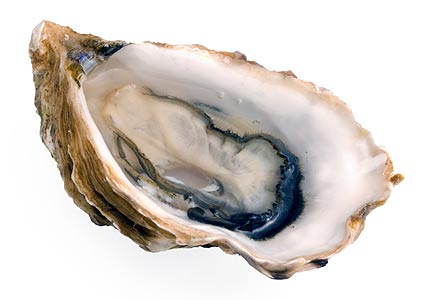
10. Oysters for Brain Health


If you’re a seafood kind of person, then today just may be your lucky day. Experiments have shown that oysters are great for your brain, no matter your age. Because they are rich in zinc as well as iron, eating this under-the-sea-delight will help to keep your mind sharp and increase your ability to recall information easily. Zinc and iron have been linked to the brain’s ability to stay focused and remember information. A lack of zinc and iron can result in memory lapses, poor concentration, and of course other ailments throughout the body.

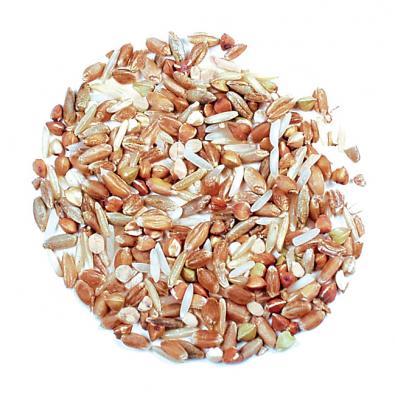
9. Whole Grains for Your Brains


If you’ve ever tried to lose weight, you know just how healthy whole grains are for your body; however, they are also a great food for your brain. Whole wheat, bran, and wheat germ have high contents of folate, as do brown rice, oatmeal, whole-grain breads, barley, and others. All of these foods work to increase blood flow to the brain which means a higher quality and quantity of brain function. Also, these whole grain foods contain a lot of vitamin B6, which is full of thiamine. Thiamine is great for anyone trying to improve their memory. Scientific research has shown that memory loss dramatically increases by the time you reach your late 60’s or early 70’s; so whole grains are especially good for you as you get older.

8. Tea


Forget your coffee in the morning- try a cup of tea! Freshly brewed green or black tea is extremely beneficial to your brain because it is full of catechins. Have you ever had a day where you just feel drained, tired, and “too lazy” to think? It may be because you are lacking catechins in your brain. Catechins are great for keeping your mind sharp, fresh, and functioning properly. Not only do they keep your brain working right, they also allow it to relax and help to fight against mental fatigue. While green tea is much more potent than black tea, both are extremely good for you. Tea is definitely a great thing to drink early in the morning to ensure you’re starting your brain off right.

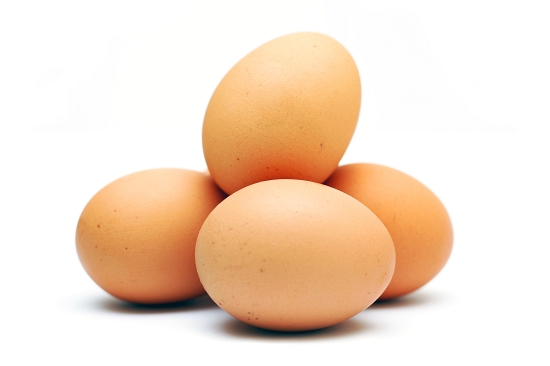
7. Eggs Help Keep Your Memory from Cracking


When we get older, our brains begin to shrink due to something called brain atrophy. While some of us might want other parts of our body to shrink, I’m pretty sure no one wants a shrinking brain. However, we can fight against this natural process by eating eggs. This is because eggs are full of vitamin B12 as well as lecithin. Vitamin B12 helps to fight against brain shrinkage, which is often seen in Alzheimer’s disease. Eggs, though very unhealthy if you eat too many of them, are full of essential fatty acids. The yolk, though very high in cholesterol, is also high in choline, which is a very important building block of brain cells. Choline can help improve your memory. While eating too many eggs can be bad for your health, eating 1-2 egg products a day can be great  brain food.

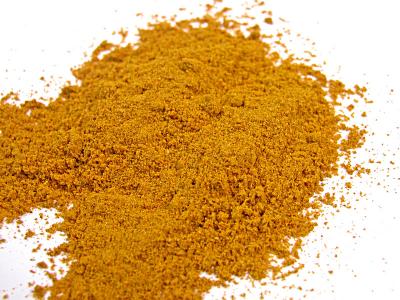
6. Curry to Spice Up Your Brain Health


This spicy food is a great way to spice up your brain and keep it fresh. A main ingredient in curry powder, curcumin is full of antioxidants that help fight against brain aging and maintain cognitive function as you get older. These antioxidants also fight against free radical damage that can occur within the brain as well as the body.  Free radicals can cause inflammation and other ailments within the body. Not only is curry good for your brain, it also can fight against diabetes and heart disease. Too hot for you to handle? You don’t have to have curry for lunch and dinner each day; the smallest amount of curry once a month can be highly beneficial for your brain.

5. Berries, Berry Good Food for Your Brain


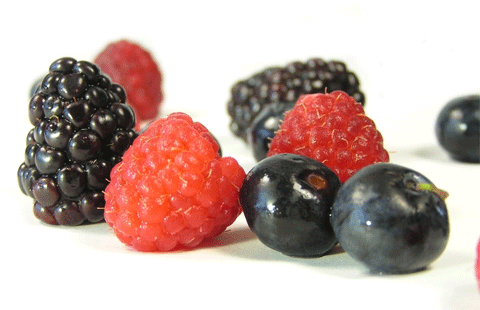
If you’re not a vegetable person, you can rely on fruit, especially berries, to improve your brain health. For example, blueberries are well known for their role in improving motor skills as well as your overall learning capacity. They are often called the best berry for your brain, and today you may notice the plethora of products using blueberries. Most berries, including blackberries, blueberries, raspberries, and others, are full of antioxidants that are great for boosting the brain. You can help reverse the effects of aging on the brain by eating these berries once a day. Berries are sometimes referred to as “super-fruits” because most of them contain fisetin and flavenoid, which are great for improving your memory and allowing you to easily recall past events. A delicious and helpful food for the brain.

4. Nuts and Seeds


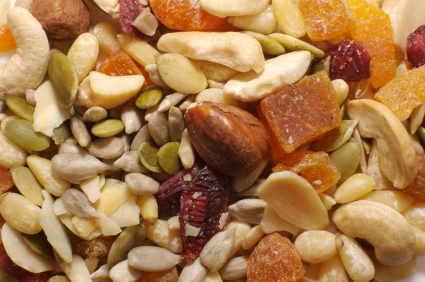
Looking for a snack food that has everything good for the brain in it? In other words, good brain food, then look no further than nuts and seeds… The good thing about this is that all types of nuts are included. This means peanuts, hazelnuts, cashews, almonds, walnuts, pecans, pumpkin seeds, sunflower seeds, and any other type of nut or seed you can think of, are good for your brain. Nuts and seeds are full of Omega-3 and Omega-6 fatty acids, as well as folate, vitamin E, and vitamin B6. All of these nutrients allow you to think more clearly. They also help you think more positively, because Omega-3 and Omega-6 fatty acids work as natural antidepressants. Some seeds and nuts are also full of thiamine and magnesium, which are great for memory, cognitive function, and brain nourishment.

3. Leafy Green Vegetables


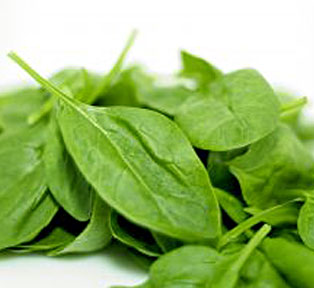
Leafy green vegetables such as cabbage, kale, spinach, and others, while not very well-liked by children, are excellent for the brain of children and adults alike. These vegetables help greatly when it comes time to remember old information and process it like you just learned it yesterday. This is because these foods are often full of vitamin B6, B12, and folate, which are great compounds needed within the brain to break down homocystein levels, which can lead to forgetfulness and even Alzheimer’s disease. These vegetables are often very high in iron content. If there is not enough iron in-take, cognitive activity slows down greatly. So when mom always urged you to eat your spinach, now you know why: Veggies are a food good for your brain.

2. Fish


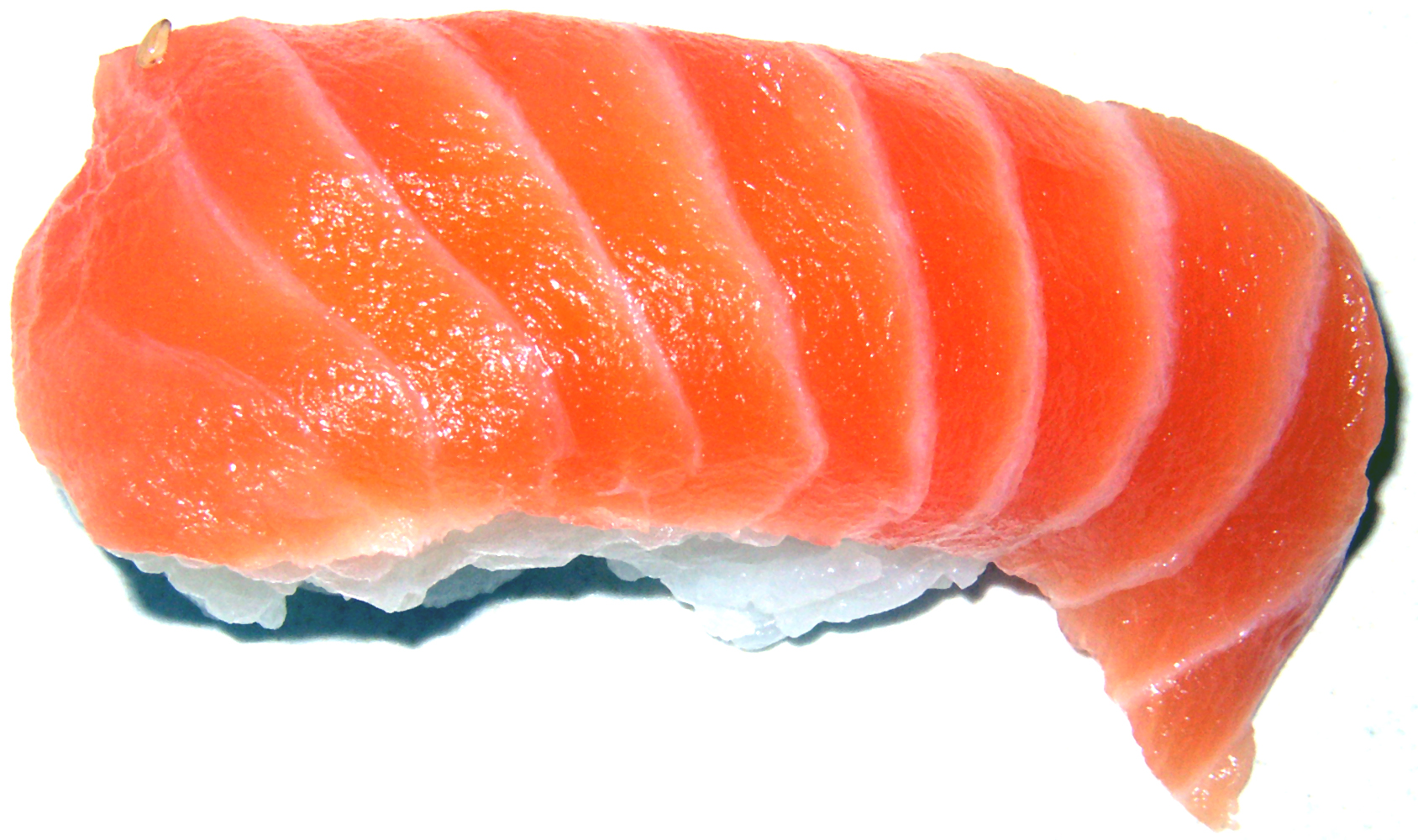
Eating fish overall is greatly beneficial to your health, especially that of your brain. Fish is full of Omega-3, which is a fatty acid known to be highly beneficial to the body in various aspects. Eating one serving of fish a week can highly decrease one’s chances of getting Alzheimer’s disease. These fatty acids help with brain function because they coat the neurons that at times have a fatty acid layer that becomes stiff due to a high content cholesterol and saturated fat in the body. Omega-3s will coat the neurons with good fat, allowing them to move easily throughout the brain. Omega-3s also provides more oxygen to the brain, as well as allows one to retain new information while still remembering old information. The best fish to eat for brain health are salmon, tuna, and herring.

1. Chocolate


While eating hundreds of Hershey bars may make you sick, and drinking a lot of hot cocoa in a day just may do the same, the main ingredient in these oh-so-delicious foods, cocoa, is said to be very nutritious for the brain. Scientists have proven that the antioxidant content found in just two or three tablespoons of cocoa powder is much stronger than those antioxidants found in other foods, such as green tea or red wine. The main antioxidant found in cocoa, known as flavonols, is said to help increase blood flow to the brain. While normal milk chocolate lacks flavonols, you will find plenty of it in dark chocolate. And isn’t it great news to know that chocolate is good for your brain. Finally some health news that we can all bite off. Just don’t try to convince your brain, it won’t believe you.