
10>It’s The Single Most Important Factor In Ruining Life Happiness:

If you’ve never heard of the Grant Study, you should know it’s one of the longest-running sociological studies in the world. Starting in 1938, researchers at Harvard tracked the lives of 200 men and reported on their emotional and physical well-being. Over the years, findings have included that intelligence (above a certain level) has no influence on earnings and that older liberals tend to have way more sex. They’ve also revealed that one thing above all else can destroy your happiness utterly: alcohol. In the 2012 update to the study, Triumphs of Experience, study director George Vaillant revealed that alcohol was one of the key factors in participants’ life outcomes. More so than intelligence, more so than political leanings or how rich their parents were, alcohol was the top decider in how subjects’ lives turned out. No matter where they stood on the social spectrum, those who developed drinking problems took mostly the same path: downward. Alcoholism was the main cause of divorce in the study, one of the main triggers for neurosis and depression (importantly, the alcohol abuse tended to come before the mental problems), and tied with smoking as the single biggest contributor to an early grave. Vaillant called it “a disorder of great destructive power.”Of course, a similar effect would probably be seen if the men had become drug junkies. But there’s no denying alcohol has other startling effects that reach beyond the murky shadows of addiction.
9>It’s One Of Our Biggest Killers:

Between 2006 and 2010, 88,000 Americans died annually from alcohol abuse. That’s not a typo. Every year, the nation’s favorite drug killed more people than Mexico’s brutal drug war. According to the CDC, that makes alcohol the third leading lifestyle-related cause of death for people living in the USA. In Britain, the figures may be even worse. According to respected scientist David Nutt, alcohol is the leading cause of death for Brits aged 16–60.The reasons for this make for some grim reading. Although by far the highest number of alcohol-related deaths come from liver disease and addiction, accidental poisoning and behavioral disorders caused by drinking ranked highly, too. Drunk driving also played a huge factor. According to the CDC, nearly one-third of all fatal road accidents in the US were caused by alcohol. On average, this means drunk driving killed one American every 51 minutes. The total cost of all this carnage is estimated at over $59 billion annually—roughly equivalent to the entire GDP of Croatia.
 It’s a terrible fact of life that some adults get off on abusing kids. Whether through violent sexual acts or just through miserable, half-assed neglect, there are parents out there who do nothing but make their children’s lives a misery. Toss alcohol abuse into that mix and you’ve got the ingredients for a nightmare.Studies have found that children who have either one or two alcoholic parents are anywhere between 2 to 13 times more likely to experience an awful situation at home. Known as adverse childhood experiences, these awful situations could be anything from living in forced squalor to seeing their mom get hit to being deliberately abused. In each case, the likelihood of that abuse increased with alcoholism. In situations where both parents were alcoholics, for example, children were 13 times more likely to grow up with a battered mother. Other studies have linked alcoholism to “profound suffering” in families.Again, it’s not just the children of alcoholics who have crappy childhoods. Having a mom or dad who’s addicted to crack, gambling, or heroin can produce similar results. But the point is those activities are largely illegal or sensibly restricted. Alcohol is completely entwined with Western culture and its consumption actively encouraged.]

If you’ve never heard of the Grant Study, you should know it’s one of the longest-running sociological studies in the world. Starting in 1938, researchers at Harvard tracked the lives of 200 men and reported on their emotional and physical well-being. Over the years, findings have included that intelligence (above a certain level) has no influence on earnings and that older liberals tend to have way more sex. They’ve also revealed that one thing above all else can destroy your happiness utterly: alcohol. In the 2012 update to the study, Triumphs of Experience, study director George Vaillant revealed that alcohol was one of the key factors in participants’ life outcomes. More so than intelligence, more so than political leanings or how rich their parents were, alcohol was the top decider in how subjects’ lives turned out. No matter where they stood on the social spectrum, those who developed drinking problems took mostly the same path: downward. Alcoholism was the main cause of divorce in the study, one of the main triggers for neurosis and depression (importantly, the alcohol abuse tended to come before the mental problems), and tied with smoking as the single biggest contributor to an early grave. Vaillant called it “a disorder of great destructive power.”Of course, a similar effect would probably be seen if the men had become drug junkies. But there’s no denying alcohol has other startling effects that reach beyond the murky shadows of addiction.
9>It’s One Of Our Biggest Killers:

Between 2006 and 2010, 88,000 Americans died annually from alcohol abuse. That’s not a typo. Every year, the nation’s favorite drug killed more people than Mexico’s brutal drug war. According to the CDC, that makes alcohol the third leading lifestyle-related cause of death for people living in the USA. In Britain, the figures may be even worse. According to respected scientist David Nutt, alcohol is the leading cause of death for Brits aged 16–60.The reasons for this make for some grim reading. Although by far the highest number of alcohol-related deaths come from liver disease and addiction, accidental poisoning and behavioral disorders caused by drinking ranked highly, too. Drunk driving also played a huge factor. According to the CDC, nearly one-third of all fatal road accidents in the US were caused by alcohol. On average, this means drunk driving killed one American every 51 minutes. The total cost of all this carnage is estimated at over $59 billion annually—roughly equivalent to the entire GDP of Croatia.
8>It Increases Sexual Assault Rates:

It isn’t just where individual health is concerned that alcohol can have a hugely negative impact. We’ve known for years that alcohol and sexual assault rates have a disturbing connection to one another. In one widely cited Harvard study from 2004, college campuses with reputations for binge drinking had significantly higher rates of sexual assault. The team first split colleges into either low, medium, or high binge drinking environments. Those classified as low had less than 35 percent of the student body drinking more than five drinks in one sitting over a two-week period. In those classified as medium, 36–50 percent of the students did so. In those classified high, the rate was over 50 percent. The team then concluded that being female at a medium or high binge drinking college increased your risk of getting raped by a shocking 1.5 times. A 2013 study later found similar results.That’s a serious increase, and it doesn’t just occur on campuses. An influential 1990s study found around half of all attackers committed sexual assaults while drunk, while half of all victims likewise reported being intoxicated. That’s not to suggest the victims were in any way to blame. There’s only one bad guy here and that’s the scumbag rapist. Nor is it intended to suggest that one beer turns all men into rape-happy hooligans. Studies show only 3 percent of college men commit 90 percent of all campus rapes. It does show how entwined alcohol and violence can be, though, in a way it simply isn’t with other drugs.

It isn’t just where individual health is concerned that alcohol can have a hugely negative impact. We’ve known for years that alcohol and sexual assault rates have a disturbing connection to one another. In one widely cited Harvard study from 2004, college campuses with reputations for binge drinking had significantly higher rates of sexual assault. The team first split colleges into either low, medium, or high binge drinking environments. Those classified as low had less than 35 percent of the student body drinking more than five drinks in one sitting over a two-week period. In those classified as medium, 36–50 percent of the students did so. In those classified high, the rate was over 50 percent. The team then concluded that being female at a medium or high binge drinking college increased your risk of getting raped by a shocking 1.5 times. A 2013 study later found similar results.That’s a serious increase, and it doesn’t just occur on campuses. An influential 1990s study found around half of all attackers committed sexual assaults while drunk, while half of all victims likewise reported being intoxicated. That’s not to suggest the victims were in any way to blame. There’s only one bad guy here and that’s the scumbag rapist. Nor is it intended to suggest that one beer turns all men into rape-happy hooligans. Studies show only 3 percent of college men commit 90 percent of all campus rapes. It does show how entwined alcohol and violence can be, though, in a way it simply isn’t with other drugs.
7>No Other Drug Is As Bad For Public Safety:

What would you say is the world’s most dangerous drug? If we’re talking about dangers to others, most of us would probably think of crack or meth. We would be wrong. According to a British study, the answer is alcohol. In 2010, respected journal The Lancet published a study led by former government adviser Professor David Nutt into the dangers posed by 20 available drugs. While heroin, crack, and methamphetamine took the top places for dangers posed to individual users, one drug was found to be far and away the most harmful to society at large. According to the study, use of alcohol was over twice as likely to result in harm to others as use of crack cocaine was. Out of a possible score of 100, it scored 45, compared to slightly over 20 for heroin in second place. The reasons for this are varied, with the researchers focusing on factors such as crime, environmental damage, family conflict, international damage, economic cost, and damage to community cohesion. While some drugs scored well in one category, alcohol was the only one to sweep the boards. Part of that may be due to its ready availability, but it’s still an astounding finding. By way of comparison, cocaine and cannabis both scored under 10 for harm to others, while ecstasy, LSD, and mushrooms scored around zero.
6>It Kills More Teenagers Than Any Other Drug:

Every couple of years, some new drug will come along and whip up a media panic about teenagers. In September 2015, K2 was supposedly turning people into nude, psychotic zombies. Before that, it was Cloud 9 putting kids in hospitals. What every single one of these scare stories always glosses over is that we already have a readily available, extremely deadly drug doing the rounds among our kids. Every year, 4,300 US teenagers die from drinking alcohol.That’s more people than died during 9/11. According to nonprofits and pressure groups such as Mothers Against Drink Driving (MADD), it’s more than are killed each year by all illegal drugs combined. Even if you think their data might be susceptible to bias (they are an overtly anti-alcohol charity after all), if they’re anywhere in the ballpark, it’s still an enormous number. To give it a comparison point, the panic-inducing Cloud 9 was linked to only a handful of deaths, some of which may have been falsely attributed by an overexcited media. If we can get worked up over a comparatively tiny number of deaths, all while ignoring a much bigger epidemic, it’s tempting to wonder what’s going wrong.

What would you say is the world’s most dangerous drug? If we’re talking about dangers to others, most of us would probably think of crack or meth. We would be wrong. According to a British study, the answer is alcohol. In 2010, respected journal The Lancet published a study led by former government adviser Professor David Nutt into the dangers posed by 20 available drugs. While heroin, crack, and methamphetamine took the top places for dangers posed to individual users, one drug was found to be far and away the most harmful to society at large. According to the study, use of alcohol was over twice as likely to result in harm to others as use of crack cocaine was. Out of a possible score of 100, it scored 45, compared to slightly over 20 for heroin in second place. The reasons for this are varied, with the researchers focusing on factors such as crime, environmental damage, family conflict, international damage, economic cost, and damage to community cohesion. While some drugs scored well in one category, alcohol was the only one to sweep the boards. Part of that may be due to its ready availability, but it’s still an astounding finding. By way of comparison, cocaine and cannabis both scored under 10 for harm to others, while ecstasy, LSD, and mushrooms scored around zero.
6>It Kills More Teenagers Than Any Other Drug:

Every couple of years, some new drug will come along and whip up a media panic about teenagers. In September 2015, K2 was supposedly turning people into nude, psychotic zombies. Before that, it was Cloud 9 putting kids in hospitals. What every single one of these scare stories always glosses over is that we already have a readily available, extremely deadly drug doing the rounds among our kids. Every year, 4,300 US teenagers die from drinking alcohol.That’s more people than died during 9/11. According to nonprofits and pressure groups such as Mothers Against Drink Driving (MADD), it’s more than are killed each year by all illegal drugs combined. Even if you think their data might be susceptible to bias (they are an overtly anti-alcohol charity after all), if they’re anywhere in the ballpark, it’s still an enormous number. To give it a comparison point, the panic-inducing Cloud 9 was linked to only a handful of deaths, some of which may have been falsely attributed by an overexcited media. If we can get worked up over a comparatively tiny number of deaths, all while ignoring a much bigger epidemic, it’s tempting to wonder what’s going wrong.
5>Media Bias Against Other Drugs Is Unbelievable:

The media loves a simple narrative. Fitting a nuanced argument into a headline is a tricky task, so most outlets don’t even bother to try. Sometimes this reaches absurd heights, as in the case of drug reporting. Since the 1990s, it’s been utterly clear that the media’s response to drug and alcohol stories is horrendously biased at best, and downright dangerous at worst.Between 1990 and 1999, Scotland recorded 2,255 drug-related deaths. Curious to see how the media reported these deaths, Alasdair J.M. Forsyth compared every single Scottish news report on a fatality against the coroner reports. Of the 546 deaths that received coverage, the bias was profound. Only 1 in 72 deaths from morphine was reported, because it didn’t fit into any easy media narrative. By contrast, one in every five deaths from heroin got coverage, as did one of every eight cocaine-related deaths. But the biggest imbalance by far came from ecstasy. Nearly every single one of the 28 deaths ascribed to ecstasy received coverage in this period, a period that just happened to coincide with a media scare in the UK. Meanwhile, only 1 in 256 aspirin-related deaths got a similar treatment. The point is that “bad” drugs get a disproportionate amount of press attention, reinforcing the belief that these deaths are happening all the time. In the exact same period of time, alcohol killed around 2,000 people—over 70 times the number killed by ecstasy—but wasn’t once reported as a deadly menace. As a result, talking seriously about the dangers of alcohol compared to other drugs becomes all but impossible.

The media loves a simple narrative. Fitting a nuanced argument into a headline is a tricky task, so most outlets don’t even bother to try. Sometimes this reaches absurd heights, as in the case of drug reporting. Since the 1990s, it’s been utterly clear that the media’s response to drug and alcohol stories is horrendously biased at best, and downright dangerous at worst.Between 1990 and 1999, Scotland recorded 2,255 drug-related deaths. Curious to see how the media reported these deaths, Alasdair J.M. Forsyth compared every single Scottish news report on a fatality against the coroner reports. Of the 546 deaths that received coverage, the bias was profound. Only 1 in 72 deaths from morphine was reported, because it didn’t fit into any easy media narrative. By contrast, one in every five deaths from heroin got coverage, as did one of every eight cocaine-related deaths. But the biggest imbalance by far came from ecstasy. Nearly every single one of the 28 deaths ascribed to ecstasy received coverage in this period, a period that just happened to coincide with a media scare in the UK. Meanwhile, only 1 in 256 aspirin-related deaths got a similar treatment. The point is that “bad” drugs get a disproportionate amount of press attention, reinforcing the belief that these deaths are happening all the time. In the exact same period of time, alcohol killed around 2,000 people—over 70 times the number killed by ecstasy—but wasn’t once reported as a deadly menace. As a result, talking seriously about the dangers of alcohol compared to other drugs becomes all but impossible.
4>Many Of The Alternatives Are Safer:
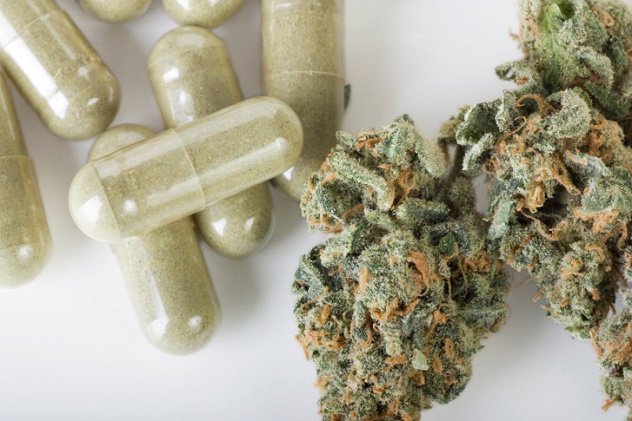
Plenty of drugs are highly dangerous. Heroin, crack, GBH, and crystal meth can all mess you up in ways we’d rather not think about, leading to horrendous health problems. But so can alcohol. And while all those drugs are rightly frowned upon in our societies, alcohol is basically given a free pass.The differences are even starker compared to other drugs we might consider socially acceptable. While cannabis does have detrimental health effects and may be linked with an increased risk of mental illness, it is far safer for you than drinking. David Nutt’s research that we referred to earlier placed the risk of cannabis to a user as less than half of that of alcohol. In recorded history, there has never been a single confirmed case of a marijuana overdose. The DEA has estimated you would need to smoke nearly 700 kilograms (1,500 lb) of the stuff in 15 minutes to be at risk of death. (Good luck staying awake.) Even the Dude in The Big Lebowski couldn’t manage something like that. Other recreational drugs are even safer. The risk of death from ecstasy is roughly equivalent to that of riding a horse, while that from both LSD and magic mushrooms is essentially nonexistent (provided you don’t accidentally pick and eat a poisonous mushroom). It’d be a fool’s game to try and get people to give up drinking entirely, but cutting down becomes even harder when many of the safer alternatives are illegal.
3>The Alternatives Would Still Be Safer If Taken On A Larger Scale:

One major obstacle to comparing alcohol with other drugs is that alcohol is both legal and widely available, whereas most others are not. Even in states like Colorado that passed pot legalization laws, not every city is selling, and it remains illegal in much of the country. This means there are way more drinkers than there are users of any other kind of drug. Taking this into consideration, statistics about things like public health spending on alcohol can suddenly seem weaker. After all, some would argue that we’d see equally expensive (if slightly different) health problems if everyone was smoking pot all the time. That may not be true. In 1995, the World Health Organization (WHO) conducted a study into drugs and public health. They concluded that even if everyone started using cannabis as regularly as they do alcohol or tobacco, the effect on public health would likely be significantly lower.That’s not to say there wouldn’t be serious health issues arising from widespread pot consumption, especially among teenagers. We’re not trying to convert everyone to be militantly pro-marijuana here. But the overall effect would still be less than at current levels of alcohol consumption, even though most legal systems treat alcohol as the safer substance.
2>Alcohol And Child Abuse:

Plenty of drugs are highly dangerous. Heroin, crack, GBH, and crystal meth can all mess you up in ways we’d rather not think about, leading to horrendous health problems. But so can alcohol. And while all those drugs are rightly frowned upon in our societies, alcohol is basically given a free pass.The differences are even starker compared to other drugs we might consider socially acceptable. While cannabis does have detrimental health effects and may be linked with an increased risk of mental illness, it is far safer for you than drinking. David Nutt’s research that we referred to earlier placed the risk of cannabis to a user as less than half of that of alcohol. In recorded history, there has never been a single confirmed case of a marijuana overdose. The DEA has estimated you would need to smoke nearly 700 kilograms (1,500 lb) of the stuff in 15 minutes to be at risk of death. (Good luck staying awake.) Even the Dude in The Big Lebowski couldn’t manage something like that. Other recreational drugs are even safer. The risk of death from ecstasy is roughly equivalent to that of riding a horse, while that from both LSD and magic mushrooms is essentially nonexistent (provided you don’t accidentally pick and eat a poisonous mushroom). It’d be a fool’s game to try and get people to give up drinking entirely, but cutting down becomes even harder when many of the safer alternatives are illegal.
3>The Alternatives Would Still Be Safer If Taken On A Larger Scale:

One major obstacle to comparing alcohol with other drugs is that alcohol is both legal and widely available, whereas most others are not. Even in states like Colorado that passed pot legalization laws, not every city is selling, and it remains illegal in much of the country. This means there are way more drinkers than there are users of any other kind of drug. Taking this into consideration, statistics about things like public health spending on alcohol can suddenly seem weaker. After all, some would argue that we’d see equally expensive (if slightly different) health problems if everyone was smoking pot all the time. That may not be true. In 1995, the World Health Organization (WHO) conducted a study into drugs and public health. They concluded that even if everyone started using cannabis as regularly as they do alcohol or tobacco, the effect on public health would likely be significantly lower.That’s not to say there wouldn’t be serious health issues arising from widespread pot consumption, especially among teenagers. We’re not trying to convert everyone to be militantly pro-marijuana here. But the overall effect would still be less than at current levels of alcohol consumption, even though most legal systems treat alcohol as the safer substance.
2>Alcohol And Child Abuse:

1>It’s Basically Our Culture’s Fault:

After reading all that, here’s a theory that might surprise you. According to respected anthropologist Dr. Anne Fox, alcohol doesn’t cause violence. She maintains there’s no proof that drinking can trigger violent acts in people. Instead, she thinks our problems with alcohol go deeper. It’s our culture that’s to blame. If alcohol itself caused violence, we’d see uniform levels of violence across all drinking cultures. But places like Iceland drink way more and in a much more reckless manner than somewhere like Australia, all while experiencing significantly less alcohol-related violence. Instead, Dr. Fox says that how we behave when drunk is mostly how our culture teaches us to behave. That’s potentially very worrying. Most of us grew up in cultures that taught us getting drunk was a wonderful thing to do. In countless movies, TV shows, and books, drinking is shown as something that normal people do regularly. At the same time, we’re taught to connect this popular pastime with violence and lack of self-control. The result is a powder keg of all worst possible outcomes. We put our own health at risk by drinking at a level we’d consider excessive if done with any other sort of drug. Then we endanger the health of others and those around us by acting out our violent, thuggish roles when we’re completely wasted. We’re not trying to agitate for prohibition. It failed spectacularly last time, and we like the occasional drink as much as the next group of list-writers. But maybe we need to stop this glamorization of alcohol and the violence that accompanies it. Happily, this might already be happening. In Britain at least, rates for binge drinking among teenagers are dropping sharply, and young people are becoming more sensible in their alcohol consumption. Here’s to hoping the trend continues.

After reading all that, here’s a theory that might surprise you. According to respected anthropologist Dr. Anne Fox, alcohol doesn’t cause violence. She maintains there’s no proof that drinking can trigger violent acts in people. Instead, she thinks our problems with alcohol go deeper. It’s our culture that’s to blame. If alcohol itself caused violence, we’d see uniform levels of violence across all drinking cultures. But places like Iceland drink way more and in a much more reckless manner than somewhere like Australia, all while experiencing significantly less alcohol-related violence. Instead, Dr. Fox says that how we behave when drunk is mostly how our culture teaches us to behave. That’s potentially very worrying. Most of us grew up in cultures that taught us getting drunk was a wonderful thing to do. In countless movies, TV shows, and books, drinking is shown as something that normal people do regularly. At the same time, we’re taught to connect this popular pastime with violence and lack of self-control. The result is a powder keg of all worst possible outcomes. We put our own health at risk by drinking at a level we’d consider excessive if done with any other sort of drug. Then we endanger the health of others and those around us by acting out our violent, thuggish roles when we’re completely wasted. We’re not trying to agitate for prohibition. It failed spectacularly last time, and we like the occasional drink as much as the next group of list-writers. But maybe we need to stop this glamorization of alcohol and the violence that accompanies it. Happily, this might already be happening. In Britain at least, rates for binge drinking among teenagers are dropping sharply, and young people are becoming more sensible in their alcohol consumption. Here’s to hoping the trend continues.


